HDB master bedrooms average 12 sqm — just enough wall space for one statement artwork above the bed or dresser before the room feels cramped. Measure carefully: 60-80cm width works for most configurations, leaving 30cm clearance on either side when centred over queen beds. Humidity warps paper prints within months; opt for acrylic-mounted works or UV-protected canvases from local framers like The Art Faculty or Straits Gallery.
That blank wall above the headboard tempts maximalists, but Singapore’s compact bedrooms punish clutter. A single framed linen-textured abstract or muted botanical print channels Scandinavian restraint — the kind FortyTwo stocks in their Tampines showroom. Gallery walls? Save them for the living room.
Pro tip: check sightlines from the doorway before committing. Many HDB bedrooms place the bed directly opposite the entrance, meaning your artwork becomes the first thing visitors see. Too small and it looks like an afterthought; too large and it dominates the sightline. Ikea’s 61x91cm FISKBO frames hit the sweet spot for most BTO layouts.
Some homeowners mount floating shelves instead, but these often end up as catch-alls for loose change and hair ties. If you must have storage, Megafurniture’s wall-mounted display ledges keep the silhouette lean while showcasing small ceramics or trailing plants. Just mind the 15cm depth — anything deeper starts eating into precious shoulder room when squeezing past the bed.
Lighting matters more than you’d think. That same artwork looks entirely different under cool white LEDs versus warm track lighting. Test placements with painter’s tape first, then observe at different times of day. West-facing rooms get brutal afternoon glare; matte finishes prevent reflections.
Condo living rooms often feature walls stretching up to 3m wide — a blank canvas that demands careful consideration. Larger artworks, typically around 120cm to 180cm wide, anchor the space without overwhelming it. Groupings of smaller pieces can work, but they’ll need a cohesive theme or frame style to avoid looking cluttered.
Neutral palettes dominate Scandinavian design, so opt for soft greys, muted blues, or sage greens. Bold colours like reds or oranges clash with light wood tones and Nordic principles, disrupting the harmony. Textured pieces — think linen canvases or muted watercolours — add depth without straying from the aesthetic.
Art placement matters just as much as the piece itself. Hang artworks at eye level, roughly 150cm from the floor to the centre of the piece. This height ensures the art feels integrated into the room rather than floating above it. For groupings, keep spacing consistent — around 5cm to 8cm between frames — to maintain a polished look.
Lighting can elevate the impact of your chosen artwork. Track lighting or directional spotlights highlight key pieces, while ambient lighting softens the overall mood. Avoid harsh overhead lights; they’ll flatten textures and wash out colours.
One common mistake? Choosing art that’s too small for the space. A 60cm piece on a 3m wall looks lost, no matter how well-curated it is. When in doubt, go bigger — oversized art makes a statement without compromising the room’s balance.
To achieve optimal impact, measure your wall space carefully, ensuring the artwork aligns with Scandinavian Living Room Furniture. Consider the height and width of your walls, leaving ample breathing room around each piece. Balance is key—avoid overcrowding to maintain the minimalist aesthetic. Use light-colored walls to enhance the artwork’s natural tones.
Scandinavian Decorative Accessories should complement your artwork without overwhelming it. Choose neutral tones and simple designs to create a cohesive look. Incorporate natural materials like wood or stone to enhance the artwork’s organic feel. Ensure accessories are minimal, allowing the art to remain the focal point.
Align your artwork with the clean lines of Scandinavian Living Room Furniture for visual harmony. Use larger pieces above sofas or sideboards to anchor the space. Ensure the artwork’s scale matches the furniture’s proportions for a balanced composition. Keep the arrangement simple to reflect Scandinavian design principles.
Acrylic artworks hold up better than canvas in Singapore’s humidity — they’re less prone to warping or discolouration. Lightweight and easy to hang, they’re ideal for HDB walls where drilling depth is limited. Many local artists now offer prints on acrylic, blending Scandinavian minimalism with local practicality. While slightly pricier than paper, the durability makes it a sound investment for humid climates. Avoid placing acrylic pieces in direct sunlight, as prolonged exposure can cause yellowing over time.
Metal-framed art pieces are gaining popularity in Scandinavian-inspired homes, especially for their resistance to moisture. Powder-coated aluminium frames, in particular, offer a sleek, modern look while preventing rust. These frames pair well with muted Nordic colour palettes, adding a touch of industrial edge to the décor. For larger pieces, ensure the wall anchors are secure — metal frames can be heavier than their wooden counterparts. Regular dusting keeps the finish looking pristine, even in high-humidity environments.
UV-protected canvases are a practical choice for Singaporean homes, combining aesthetic appeal with functionality. The protective coating shields the artwork from humidity-related damage, such as mould or warping. Opt for stretched canvases over rolled ones, as they’re less likely to develop creases in humid conditions. Avoid hanging them in bathrooms or kitchens where moisture levels spike. A light wipe with a dry cloth every few months helps maintain the surface.
While Scandinavian design often features light wood tones, untreated wooden frames can warp in Singapore’s climate. Look for kiln-dried or laminated wood options, which are more resistant to moisture. Oak and ash frames, treated with a waterproof sealant, can maintain their integrity for years. Avoid placing wooden art pieces near windows or air-conditioning units, where temperature fluctuations can exacerbate humidity damage. Regular inspections for cracks or warping ensure timely maintenance.
Glass-covered prints offer a stylish yet practical solution for humidity-prone spaces. The glass acts as a barrier, protecting the artwork from moisture and dust. Choose UV-protected glass to prevent fading, especially for pieces exposed to natural light. Framed prints with a matte finish reduce glare, enhancing the Scandinavian aesthetic. Keep the glass clean with a microfiber cloth to avoid streaks, which can detract from the artwork’s clarity.
Walk into a typical HDB flat built after 2020, and you’ll often find a feature wall crammed with mismatched frames — a vintage botanical print next to a bold geometric design, squeezed into a space better suited for one statement piece. Overcrowding walls is a common misstep, especially in compact living rooms where every inch counts. A single, well-sized artwork centred 150cm above the floor creates focus; multiple smaller pieces can feel chaotic, detracting from the clean lines of Scandinavian furniture.
Sizing is another frequent oversight. A 40cm x 50cm print might look lost on a 3m HDB feature wall, leaving the space feeling bare instead of curated. Aim for artwork that covers around two-thirds of the wall width — it’s a simple rule that ensures visual balance. Avoid bold patterns; muted tones like soft greys, sage greens, or pale blues align better with the Scandinavian aesthetic, complementing rather than competing with your furniture.
Frame choices matter just as much. Black or gold frames might suit a maximalist aesthetic but clash with light oak or ash finishes typical of Scandinavian designs. Stick to slim, natural wood or white frames — they blend seamlessly with the neutral palette, letting the art take centre stage. Mismatched styles, like pairing a rustic frame with a minimalist print, disrupt the cohesion of the room.
Lighting is often neglected but crucial. Harsh overhead fixtures can wash out delicate hues, while soft, indirect light enhances the warmth of Scandinavian art. A floor lamp with a linen shade or wall sconces casting gentle illumination transforms the space, making it feel inviting rather than stark. It’s a subtle detail, but one that elevates the entire room.
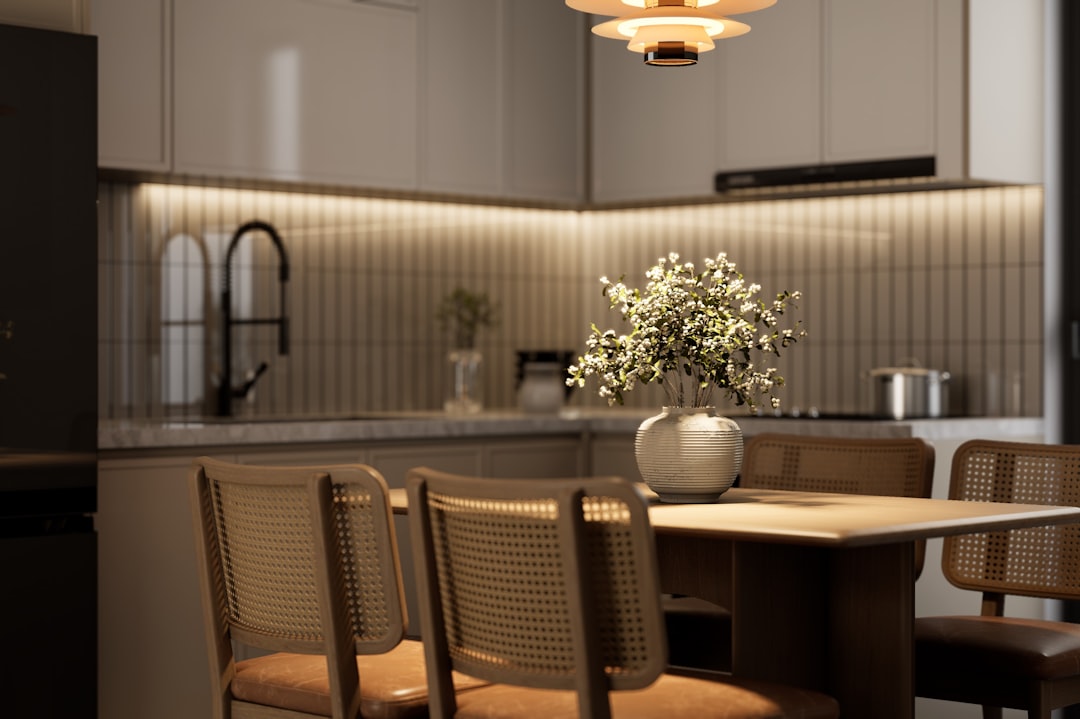
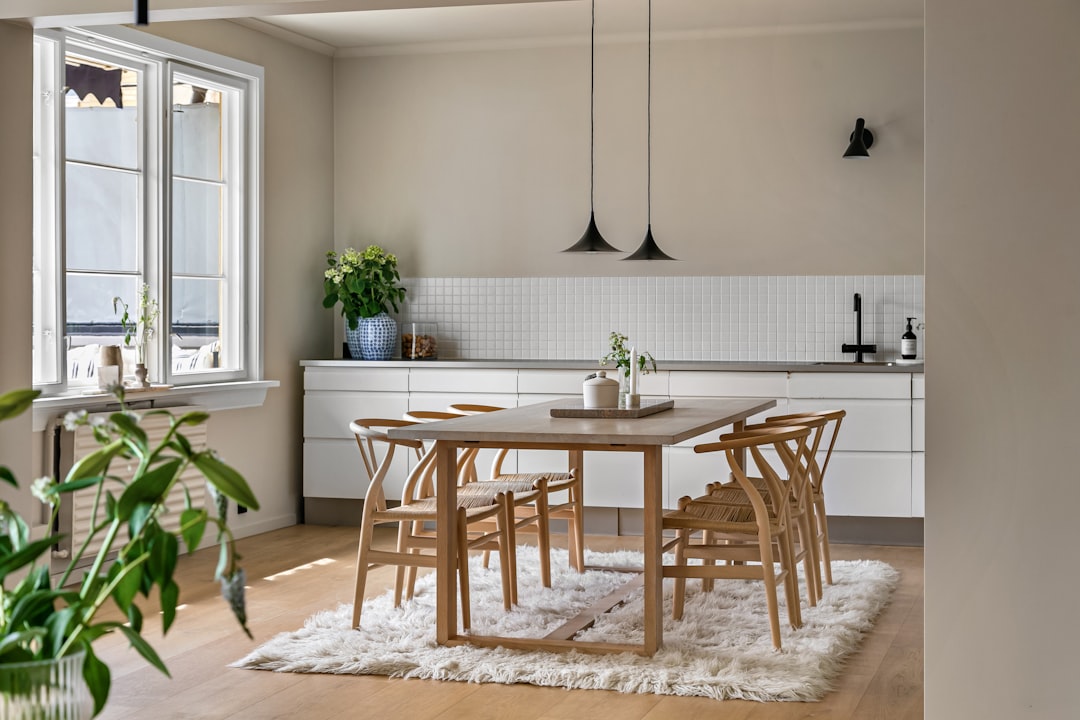
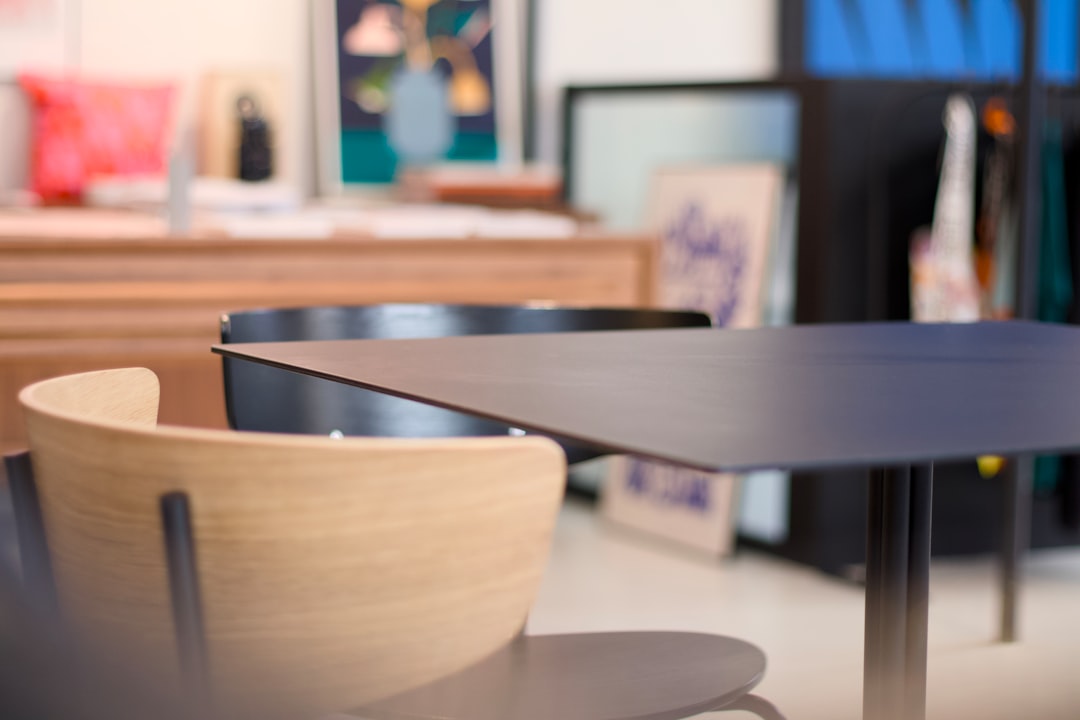
Scandinavian furniture looks deceptively simple online — until you realise the oak finish in your 12 sqm HDB master bedroom clashes with the laminate flooring. Visiting showrooms lets you see materials in context, where natural light from Tampines’ east-facing windows reveals how soft greys and muted blues shift tone throughout the day. Staff often point out details buyers miss, like how rubberwood handles humidity better than pine in Singapore’s climate.
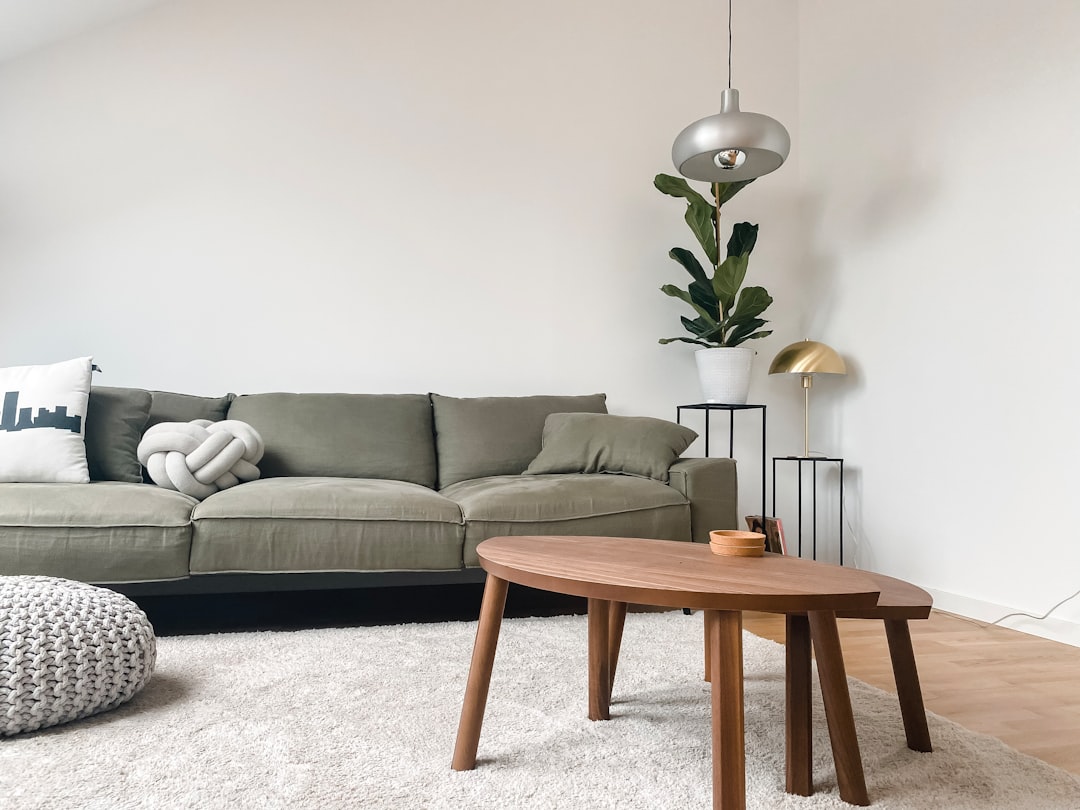
Curated collections show how functional minimalism works in practice. A beechwood coffee table might pair perfectly with a sage green sofa, but you’ll only know if you test the combo in person. Texture matters too — bouclé upholstery feels plush in showrooms but can look flat in poorly lit Instagram photos. In many homes, that’s the difference between a cohesive living room and a mismatched one.
Buyers often underestimate scale. A storage bed that fits neatly in a Eunos showroom might overwhelm a BTO bedroom with built-in wardrobes. Testing pieces in person prevents costly misjudgements — nobody wants to realise their $1,200 sideboard blocks the aircon vent after delivery. Showrooms also let you assess craftsmanship up close, from the smoothness of drawer slides to the sturdiness of table legs.
Staff advice can steer decisions in unexpected ways. One buyer swapping out a divan bed for a storage bed discovered that compact designs often sacrifice mattress support — a detail rarely mentioned online. Another learned that performance velvet resists stains better than linen in homes with kids or pets. These insights come from years of fielding questions from Singapore homeowners, not just product manuals.
Corridor widths in HDB flats rarely exceed 120cm — and that’s before factoring in the shoe rack, potted plants, or foldable bicycles that clutter most lift lobbies. Scandinavian furniture, with its clean lines and minimalist designs, often arrives in flat-pack boxes, but larger pieces like oak dining tables or modular sofas still pose a challenge. Confirm dimensions beforehand; a 2.1m sofa might look perfect in your Pinterest mood board, but it won’t fit through the door of a 12 sqm HDB living room without disassembly.
Delivery timelines matter, especially if you’re juggling renovations. Most suppliers quote 6–8 weeks for Scandinavian Living Room Furniture, but delays aren’t uncommon during peak periods like Chinese New Year or the year-end holiday season. If you’re on a tight schedule — say, moving into a newly completed BTO flat — opt for retailers with express delivery options, even if it costs an extra $50 to $100.
Warranties often exclude humidity damage, a common issue in Singapore’s tropical climate. While oak and ash are durable, untreated wood can warp or discolour if exposed to prolonged moisture. Look for suppliers offering extended coverage; some include anti-humidity treatments or replacement guarantees for up to three years. It’s worth noting that warranties rarely cover wear and tear, so consider protective measures like felt pads for chair legs or coasters for tabletops.
Free assembly is a perk, but it’s not universal. Some retailers charge upwards of $80 for setup, while others include it as part of the delivery fee. If you’re handy with an Allen key, DIY assembly can save time — just double-check that all parts are included before the delivery team leaves. Missing screws or misaligned joints are more common than you’d think, and waiting for replacements can throw off your entire renovation timeline.
Pet owners often ask about the best frame material for Scandinavian art in homes with cats or dogs. Metal frames typically outperform wood — they’re less prone to scratches, warping, and chew marks, especially in Singapore’s humid climate. A sleek brushed aluminium or powder-coated steel frame complements minimalist interiors while standing up to curious paws.
For HDB feature walls, Scandinavian art pieces measuring 120–150cm in width strike the right balance. Too small, and the artwork gets lost; too large, and it overwhelms the space. A 140cm piece centred above a sofa or console table creates a focal point without dominating the room. It’s a size that works in both BTO flats and condos, fitting neatly into the 2.4m to 3.6m wall widths common in many homes.
Maintenance is straightforward but crucial. Dust frames weekly with a microfiber cloth to prevent buildup, especially in Singapore’s dusty urban environments. Avoid hanging art in direct sunlight — UV rays fade prints over time, and heat can warp even metal frames. Consider UV-protective glass if your flat gets plenty of natural light.
Warranties vary, but most retailers offer a standard one-year coverage. Humidity damage clauses are trickier — some exclude it entirely, while others cover it partially. If you live in a high-humidity area like Bedok or Tampines, check the fine print or opt for frames specifically treated for moisture resistance. It’s a small detail that can save you from warped corners or peeling finishes down the line.
Most homeowners realise too late that their Scandinavian artwork doesn’t fit the wall space — or worse, the piece warps within months due to Singapore’s humidity. Start by measuring the wall area precisely; a 2.4m-wide feature wall in a BTO living room can handle a 1.8m-wide painting, but anything larger risks overwhelming the space. Bring a tape measure to the showroom, and don’t rely on eyeballing dimensions — what looks modest in a cavernous gallery might dominate your HDB flat.
Material durability is non-negotiable. Scandinavian pieces often feature light woods like oak or ash, which can warp if not treated properly for humid climates. Ask the retailer if the artwork has undergone humidity testing — some galleries in Singapore now offer this as a standard check. If they can’t confirm, consider alternative materials like aluminium or treated plywood, which hold up better in tropical conditions.
Lighting matters as much as the artwork itself. Visit showrooms during daylight hours to see how natural light interacts with the piece; what looks stunning under gallery spotlights might lose its charm in your dimly lit corridor. If you’re planning to install track lighting, bring photos of your space to discuss placement with the gallery staff — they’ll know how to highlight the artwork without washing it out.
Delivery timelines are another overlooked detail. Many homeowners assume a two-week lead time, only to find out the piece won’t arrive until after their renovation is complete. Confirm the exact delivery date before committing — some galleries offer storage services if the timelines don’t align, but this often comes with an additional fee.
Finally, don’t skip the warranty terms. Look for coverage that includes humidity-related damage, and ask if the gallery offers a trial period. Some retailers in Singapore now provide a 30-day return window, which gives you time to see how the artwork holds up in your home.